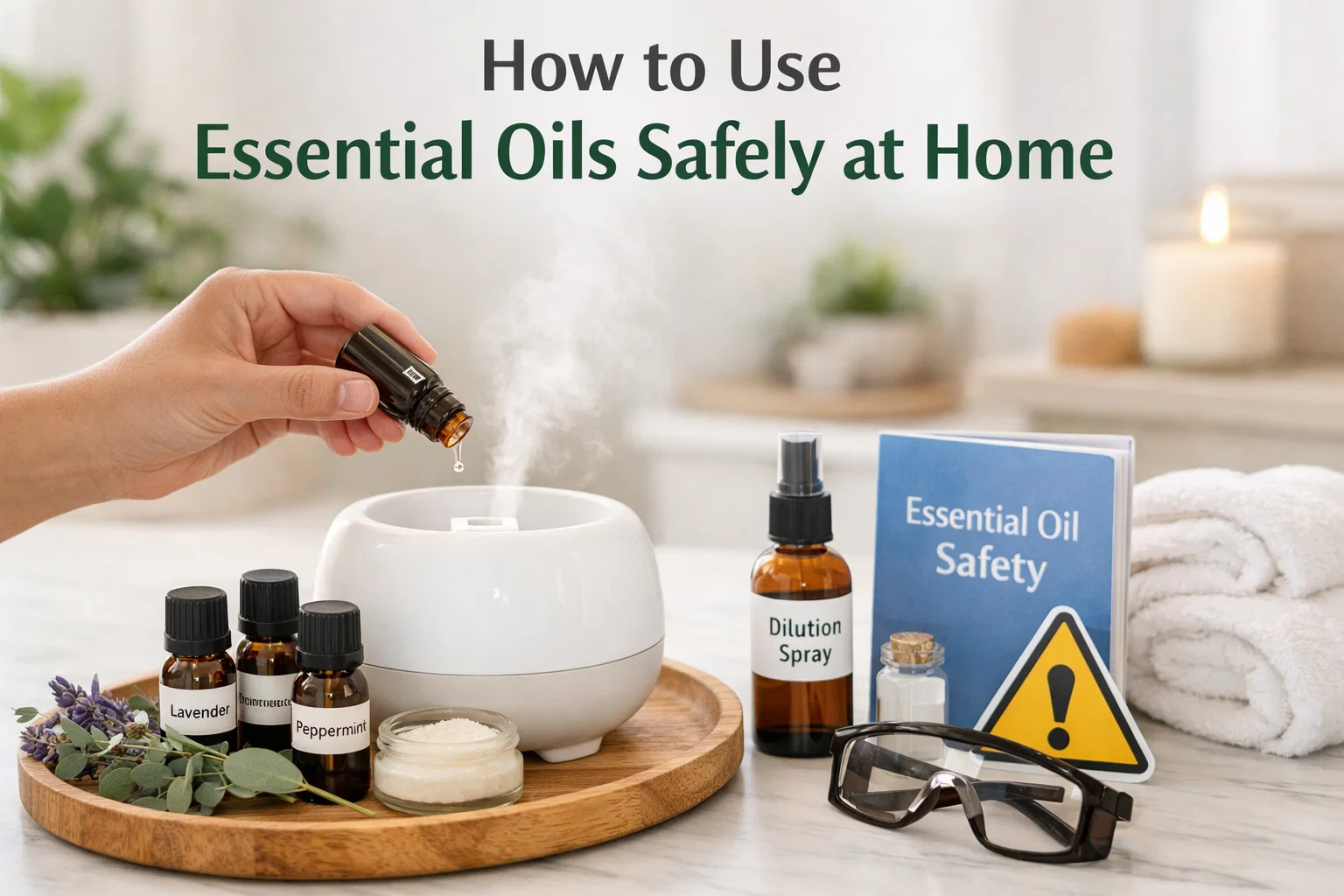
Using natural plant extracts in daily routines has become increasingly popular as people look for safer and more holistic wellness options. Essential Oils are concentrated botanical extracts that carry the aromatic and therapeutic properties of plants. While they offer many benefits, proper knowledge is necessary to ensure safe use at home. Understanding quality, dilution, storage, and application methods can help prevent irritation or misuse.
When incorporated thoughtfully, Essential Oils can support relaxation, home freshness, and personal care routines. However, because they are highly concentrated, they must always be handled responsibly. Safety education ensures that individuals experience benefits without unwanted reactions. A careful and informed approach makes home use both effective and sustainable.
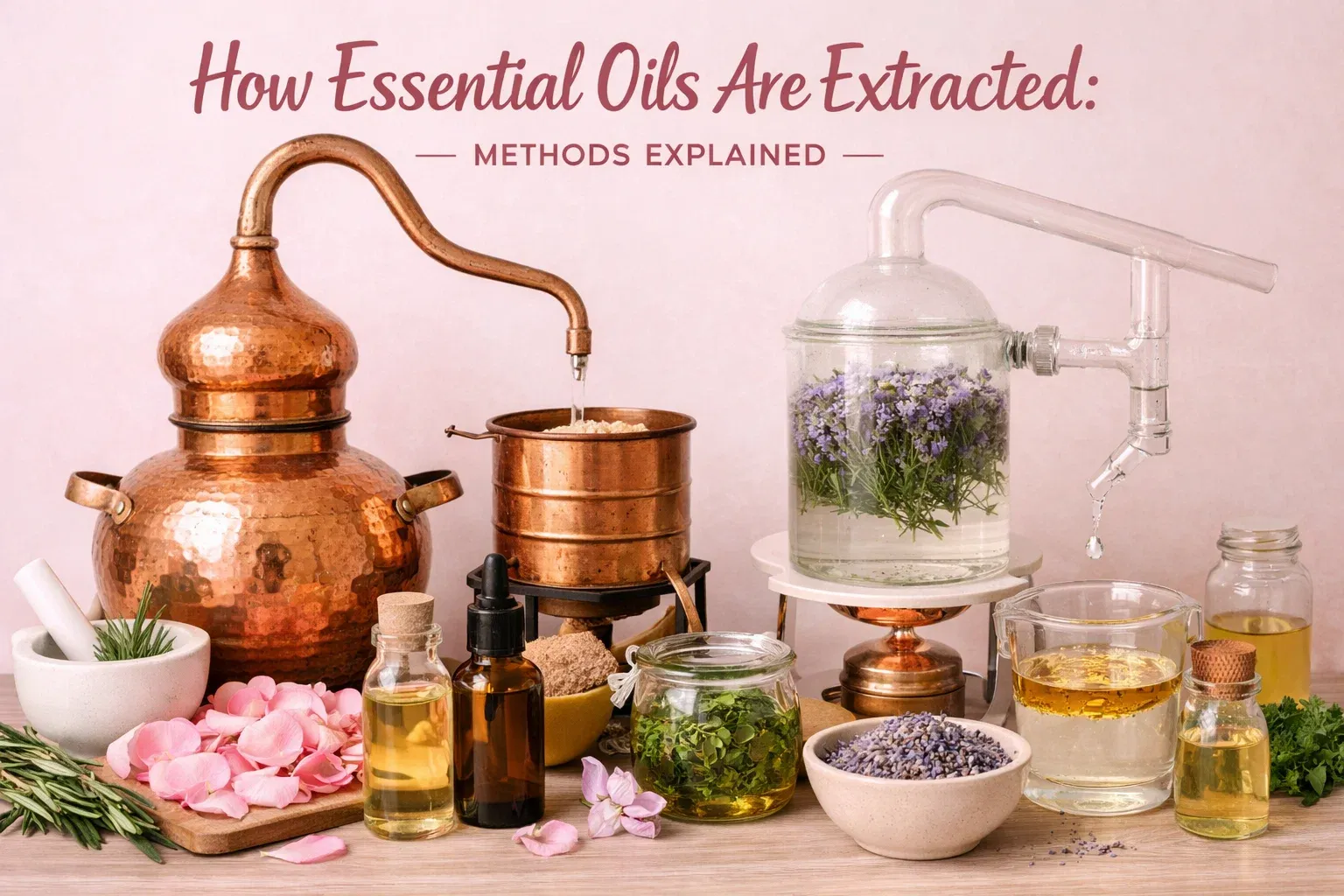
The strength of Essential Oils comes from the natural compounds extracted through steam distillation or cold pressing. These compounds are powerful because they represent a concentrated version of plant chemistry. Unlike dried herbs or teas, Essential Oils require only small quantities to produce noticeable effects.
Due to this concentration, direct application without dilution may cause skin sensitivity. Learning about potency helps users avoid common mistakes. Responsible handling of Essential Oils ensures that their natural strength is respected rather than underestimated. Safe use begins with understanding how powerful these extracts truly are.
One of the most important safety rules is dilution. Essential Oils should never be applied directly to the skin without mixing them with a carrier oil such as coconut or almond oil. Dilution reduces the intensity of the extract while preserving its benefits.
For adults, a low concentration blend is typically sufficient for relaxation or massage purposes. Even a few drops of Essential Oils can provide aromatic benefits when properly blended. Performing a patch test before full application is recommended to check for sensitivity. Following dilution guidelines significantly reduces the risk of irritation.
Diffusion is one of the most common ways to enjoy Essential Oils. A diffuser disperses microscopic droplets into the air, allowing inhalation without direct skin contact. This method is generally safe when used in well-ventilated areas.
It is important not to diffuse continuously for long periods. Short sessions of 30 to 60 minutes are usually enough. Overexposure to Essential Oils in enclosed spaces may lead to headaches or discomfort. Intermittent diffusion maintains effectiveness while preventing sensory overload.
Proper storage plays a crucial role in maintaining the quality of Essential Oils. Exposure to sunlight, heat, and air can degrade their chemical composition. Storing them in dark glass bottles and cool environments helps preserve potency.
Oxidized Essential Oils may increase the risk of skin irritation. Checking expiration dates and observing changes in scent or texture ensures safe usage. Keeping bottles tightly sealed prevents contamination and extends shelf life. Responsible storage habits protect both product quality and user safety.
Households with children and pets require extra caution. Not all Essential Oils are suitable for young individuals or animals. Their bodies are more sensitive, and certain compounds may be too strong for them.
If diffusion is used around children, it should be done briefly and in diluted amounts. Consulting reliable sources before introducing Essential Oils into shared spaces is wise. Always store bottles out of reach to prevent accidental ingestion. Awareness and supervision are essential components of safe home use.
Quality significantly impacts safety and effectiveness. Pure Essential Oils without synthetic additives provide a more reliable experience. Adulterated products may contain unknown substances that increase the risk of reactions.
Consumers should look for transparent sourcing information and clear botanical labeling. Reputable suppliers maintain high extraction standards and quality testing procedures. For trusted options, visit https://essentialoilsofindia.com/ and explore selections from essential oils of india. Investing in authentic Essential Oils reduces safety concerns and enhances overall results.
Ingesting Essential Oils is a topic that requires professional supervision. These extracts are highly concentrated and not all are safe for internal use. Self-administering without medical guidance can lead to adverse effects.
It is best to focus on inhalation and properly diluted topical applications. Misuse of Essential Oils internally may irritate the digestive system or interact with medications. Prioritizing external use at home keeps the experience safer and more manageable.
Although natural, Essential Oils can still trigger allergic responses in some individuals. Symptoms may include redness, itching, or respiratory discomfort. Conducting a patch test before widespread application helps identify sensitivities early.
If any irritation occurs, discontinue use immediately and wash the area with a carrier oil before rinsing with water. Using moderate amounts of Essential Oils reduces the likelihood of adverse reactions. Listening to your body is essential for maintaining safe practices.
Safe usage is not just about avoiding mistakes but building consistent habits. Keeping a usage journal can help track which Essential Oils work best for specific purposes. Rotating scents prevents overexposure to any single compound.
Maintaining balanced routines ensures that aromatherapy remains enjoyable rather than overwhelming. By respecting guidelines and choosing reliable suppliers, Essential Oils can be integrated into home wellness confidently and safely. Thoughtful application transforms them into a supportive part of daily living.
A calm and organized environment improves the experience of using plant-based extracts at home. Before introducing new aromas into your space, ensure that rooms are well ventilated and free from strong chemical fragrances. This prevents scent layering and reduces the chance of sensory overload. Maintaining a clean diffuser and using fresh water each time also supports hygienic diffusion practices.
It is helpful to designate specific areas for aromatic use, such as bedrooms or relaxation corners. Avoid using strong scents in small, enclosed areas without airflow. Moderation is essential, especially when introducing Essential Oils to new family members. Controlled and mindful use encourages comfort while minimizing potential irritation.
Using the same aroma continuously may reduce its perceived effectiveness over time. Rotating different plant extracts helps maintain sensitivity and balance. Instead of relying on a single fragrance daily, consider alternating calming, refreshing, or grounding profiles depending on your needs.
Moderation is particularly important when working with concentrated botanical extracts. Overuse of Essential Oils in confined spaces can cause headaches or nausea for some individuals. Giving your senses regular breaks allows the body to respond more positively. Responsible rotation ensures long-term comfort and effectiveness.
Certain health conditions require additional caution when using aromatic products. Individuals with asthma, allergies, or chronic respiratory conditions should introduce new scents gradually. Consultation with a healthcare professional is advisable before using Essential Oils regularly in these situations.
Pregnant individuals should also research carefully before application. Some extracts may not be recommended during pregnancy or specific medical treatments. Responsible use of Essential Oils includes understanding personal health factors and seeking expert advice when necessary.
A neglected diffuser can accumulate residue and reduce performance. Cleaning your device after every few uses prevents buildup and ensures consistent aroma distribution. Always unplug electrical diffusers before cleaning and follow manufacturer instructions.
Residual buildup from Essential Oils may alter scent quality over time. Wiping the internal reservoir with a gentle cloth and natural cleaner helps preserve purity. Maintaining equipment carefully protects both the device and the integrity of the aromatic experience.
Heat and light accelerate the degradation of aromatic extracts. Store bottles in a cool, dark cabinet away from windows and stoves. Exposure to direct sunlight may alter chemical composition and reduce effectiveness.
When Essential Oils oxidize, they may become more likely to irritate the skin. Keeping caps tightly sealed and avoiding temperature fluctuations extends shelf life. Proper storage habits are one of the simplest ways to maintain safety at home.
Creating personal blends can enhance enjoyment, but careful measurement is crucial. Always calculate dilution ratios accurately before mixing extracts with carrier oils. Begin with small quantities and adjust gradually if needed.
Testing new blends before widespread application reduces unexpected reactions. Even when combining mild Essential Oils, the total concentration should remain within recommended guidelines. Clear labeling of homemade blends prevents accidental misuse later.
Accidental ingestion is one of the most serious safety concerns in homes with children or pets. Store all bottles in secure cabinets with tight closures. Avoid transferring extracts into unmarked containers that could be mistaken for something else.
Clear labeling ensures that different Essential Oils are not confused with one another. Proper organization helps maintain control and prevents accidental spills. Developing safe storage routines reduces risk significantly.
Over time, aromatic extracts may lose their freshness. Discard expired products responsibly rather than pouring them directly into drains. Mixing old liquids with absorbent material before disposal can minimize environmental impact.
Do not attempt to use outdated Essential Oils for skin or diffusion purposes. Oxidation may increase sensitivity risks. Monitoring purchase dates and replacing products when necessary ensures continued safe usage.
Safety knowledge evolves as research expands. Staying informed about updated guidelines helps refine best practices. Reading reputable sources and learning from certified professionals strengthens your understanding of aromatherapy safety.
Regular education ensures that Essential Oils are used appropriately and responsibly. Awareness of new findings allows adjustments to personal routines. Committing to lifelong learning enhances confidence and protection.
Reliable sourcing remains one of the most important aspects of safe home use. Pure and transparently produced extracts reduce the likelihood of contamination. Reading ingredient labels carefully helps confirm authenticity.
For premium-grade options, explore https://essentialoilsofindia.com/ from essential oils of india. Selecting high-quality Essential Oils from trusted suppliers ensures consistency and peace of mind. Making informed purchasing decisions supports both safety and long-term satisfaction.










I recently purchased the Rosehip Oil and I am thoroughly impressed with the quality! The oil is 100% pure, cold-pressed, and has a light, non-greasy texture that absorbs beautifully into the skin.
As a bulk buyer, I’ve been sourcing Rosemary Oil from www.essentialoilsofindia.com for several months now. The quality is consistently excellent—pure, potent, and exactly as per our specifications. Packaging is secure, deliveries are on time, and their customer support is responsive and professional. A trustworthy partner for essential oils.
We’ve been purchasing essential oils regularly from www.essentialoilsofindia.com and are extremely satisfied with their quality, consistency, and service. The oils are always pure and well-packaged, and shipments arrive on time. A dependable supplier for our business needs.