Natural wellness products have become an important part of modern lifestyles as more individuals explore plant-based alternatives for relaxation, skincare, and daily routines. Among these products, aromatic plant extracts are widely used for their pleasant fragrance and versatility. However, with the growing popularity of these products, the market is now filled with a wide range of options that vary in quality and authenticity.
This is where understanding Essential Oils becomes important. These concentrated plant extracts are derived from flowers, leaves, bark, and citrus peels. Because Essential Oils are highly concentrated, choosing pure and high-quality products ensures a better and more reliable aromatherapy experience.
When selecting aromatherapy products, purity is one of the most critical factors. Pure oils are those that are free from synthetic additives, artificial fragrances, or unnecessary dilution. These oils retain their natural aroma and characteristics because they are extracted directly from plant materials.
Authentic Essential Oils are typically produced through processes such as steam distillation or cold pressing. These extraction methods help preserve the natural properties of the plant. High-quality Essential Oils will clearly indicate their purity and source on the label.
One of the easiest ways to identify genuine oils is by checking the botanical name listed on the packaging. This scientific name provides clarity about the exact plant species used to produce the oil. Without this information, it can be difficult to confirm the authenticity of the product.
Reliable suppliers of Essential Oils always include botanical names on their labels. This practice helps consumers differentiate between similar plant varieties. Understanding this detail ensures that Essential Oils are selected based on accurate plant identification.
The method used to extract plant oils plays a significant role in determining their quality. Steam distillation is the most common technique, allowing aromatic compounds to be gently separated from plant material. This process helps maintain the integrity of the oil’s natural fragrance.
Cold pressing is another method commonly used for citrus oils. High-quality Essential Oils are produced using these traditional methods, ensuring that the final product retains its natural aroma. Proper extraction techniques are essential for preserving the quality of Essential Oils.
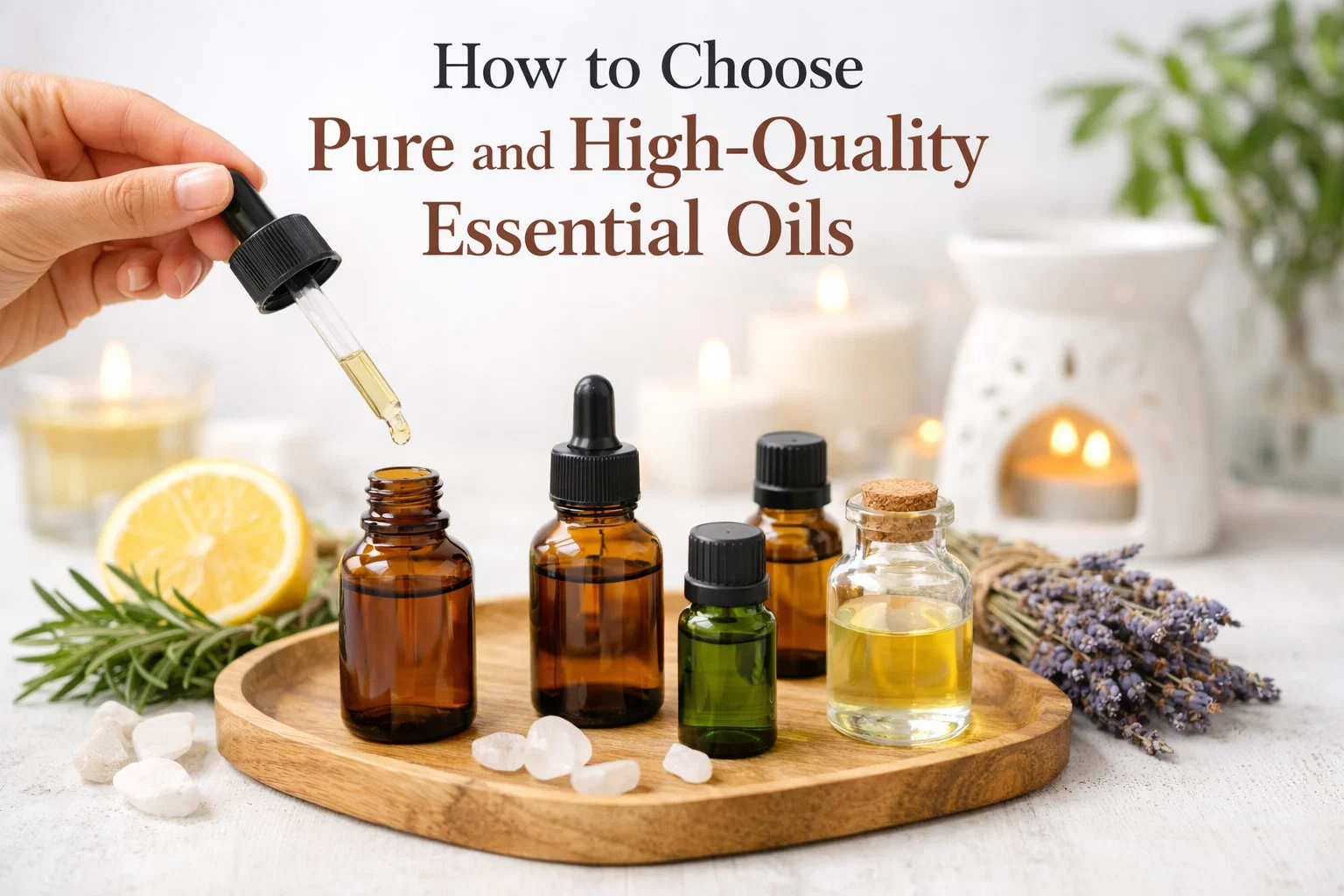
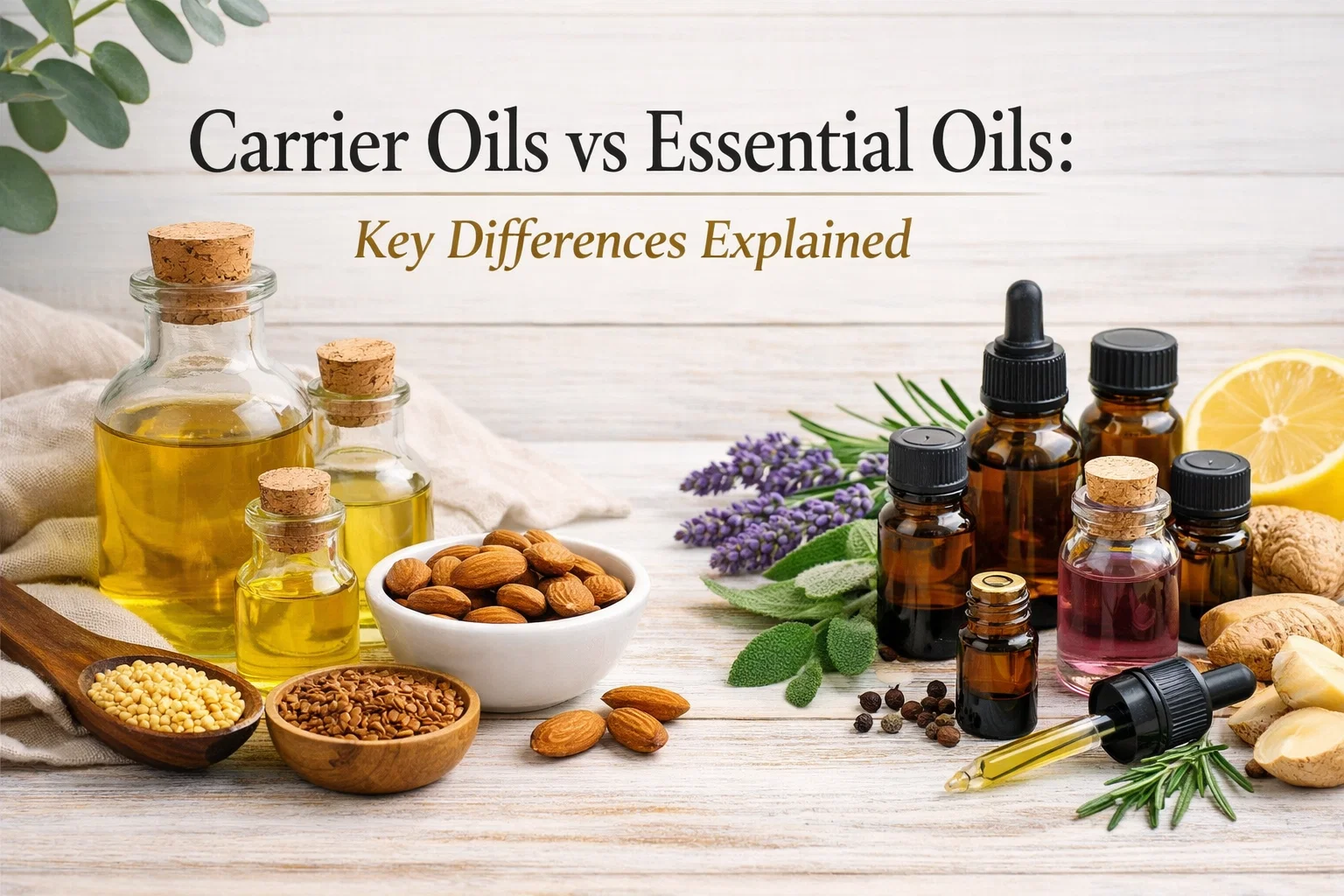
Proper packaging is essential for maintaining the quality of aromatic plant extracts. Exposure to light, heat, and air can affect the stability and fragrance of oils over time. For this reason, authentic products are usually stored in dark glass bottles.
When purchasing Essential Oils, it is important to look for packaging that protects the oil from environmental factors. Secure caps and high-quality containers help preserve the integrity of the product. Good packaging ensures that Essential Oils remain effective and aromatic for longer periods.
The fragrance of a plant extract can reveal a lot about its authenticity. Pure oils typically have a balanced and natural scent that may evolve over time. Artificial or synthetic oils often have a strong but flat aroma that does not change.
High-quality Essential Oils usually display a complex scent profile that reflects the plant source. The texture and consistency may also vary depending on the plant used. Observing these characteristics helps in identifying genuine Essential Oils.
Trustworthy suppliers provide clear and detailed information about their products. This includes details such as sourcing location, extraction method, and quality standards. Transparency is a key factor in determining whether a product is reliable.
Consumers looking for dependable products can visit https://essentialoilsofindia.com/. The company essential oils of india offers plant-based aromatic extracts that are widely used in wellness routines. Choosing transparent suppliers ensures that Essential Oils meet quality expectations.
Many products available in the market are labeled as aromatic oils but may not be derived from natural plant sources. Fragrance oils are often artificially created to mimic natural scents. While they may smell pleasant, they do not offer the same characteristics as plant-derived extracts.
Authentic Essential Oils come directly from plant materials and contain natural aromatic compounds. These compounds are responsible for their unique fragrance and qualities. Understanding this difference helps consumers choose Essential Oils that are truly natural.
Carefully reading product labels can help identify high-quality oils. Labels should include details such as botanical names, extraction methods, and country of origin. These details provide important insights into the authenticity of the product.
When evaluating Essential Oils, it is beneficial to compare different brands and check for consistent labeling practices. Reliable labeling indicates a commitment to quality. This ensures that Essential Oils meet the standards expected in aromatherapy products.
Choosing the right aromatherapy products becomes easier with knowledge and experience. As individuals become more familiar with plant sources, extraction methods, and labeling practices, they gain confidence in their purchasing decisions.
By understanding the characteristics of genuine Essential Oils, consumers can build a collection of high-quality products for their wellness routines. Selecting authentic Essential Oils ensures a more enjoyable and effective aromatherapy experience.
When purchasing aromatic plant extracts, price often reflects the quality and sourcing of the product. High-quality oils require large amounts of plant material and careful extraction methods, which can increase production costs. For example, certain floral oils require thousands of petals to produce a small quantity, making them more valuable.
Because of this, extremely low-priced products may indicate diluted or synthetic alternatives. Authentic Essential Oils are priced according to the effort involved in cultivation and extraction. Understanding this helps consumers evaluate whether Essential Oils are genuinely pure or artificially enhanced.
The region where a plant is grown can influence the quality and aroma of its extract. Climate, soil conditions, and farming practices all affect the plant’s chemical composition. For this reason, reputable suppliers often provide information about the origin of their products.
When choosing Essential Oils, checking the country of origin can provide insights into quality. Certain plants thrive in specific regions, and sourcing them from their natural habitat ensures better results. Authentic Essential Oils usually highlight this information to maintain transparency.
Reliable manufacturers often conduct batch testing to ensure consistency and purity. These tests may include analysis of the oil’s composition and confirmation that it meets quality standards. Batch testing helps maintain consistency across different production cycles.
High-quality Essential Oils are often accompanied by quality reports or certifications provided by the supplier. These reports give confidence that the product has been tested for authenticity. Such measures ensure that Essential Oils maintain their natural properties and meet expected standards.
Like many natural products, plant extracts have a shelf life that depends on their composition and storage conditions. Over time, exposure to air, heat, and light may affect their aroma and stability. Proper storage helps extend the usability of these products.
When stored correctly, Essential Oils can retain their fragrance for a long time. Keeping Essential Oils in cool, dark places and ensuring bottles are tightly sealed helps maintain their quality. Fresh oils provide a more pleasant and authentic aromatherapy experience.
Certifications can provide additional assurance about product quality. Labels such as organic certification or purity verification indicate that the product meets certain standards during cultivation and processing. While not all quality oils are certified, such labels can help guide purchasing decisions.
Consumers often look for certifications when selecting Essential Oils to ensure authenticity. Although certifications vary across regions, they provide an added level of trust. Verified Essential Oils are more likely to meet quality expectations in aromatherapy use.
Marketing terms such as “therapeutic grade” or “premium quality” are often used without standardized definitions. While these phrases may sound appealing, they do not always guarantee authenticity or purity. It is important to rely on factual information rather than marketing language.
Understanding the real characteristics of Essential Oils helps consumers avoid misleading claims. Checking botanical names, extraction methods, and supplier transparency is more reliable than relying solely on promotional descriptions. This approach ensures that Essential Oils meet genuine quality standards.
For beginners, it is often advisable to purchase small quantities before committing to larger bottles. This allows individuals to test the fragrance, quality, and compatibility of the oil with their preferences. Sampling products helps in making informed decisions.
Trying different Essential Oils in small amounts can help build familiarity with various aromas and textures. Once satisfied with the quality, individuals can invest in larger quantities. This step-by-step approach ensures that Essential Oils are selected based on personal experience.
Proper storage plays a crucial role in preserving the quality of aromatic oils. Keeping them away from direct sunlight, heat sources, and moisture helps maintain their natural fragrance and stability. Dark glass bottles are commonly used to protect oils from light exposure.
Maintaining correct storage conditions ensures that Essential Oils remain effective over time. Regularly checking bottle caps and avoiding contamination also helps preserve their integrity. Well-maintained Essential Oils provide a consistent aromatherapy experience.
Selecting a reliable brand is one of the most important steps in purchasing authentic products. Trusted suppliers focus on transparency, proper sourcing, and quality control measures. They provide detailed information about their products and maintain consistent standards.
Consumers looking for dependable options can explore https://essentialoilsofindia.com/. The company essential oils of india offers plant-based aromatic extracts used in various wellness applications. Choosing established suppliers ensures that Essential Oils are genuine and carefully produced.
Choosing pure and high-quality products requires knowledge, observation, and attention to detail. Understanding factors such as extraction methods, labeling, pricing, and storage helps individuals make better purchasing decisions. These considerations ensure that the products selected are authentic and suitable for aromatherapy use.
By focusing on quality and sourcing from trusted providers like essential oils of india, individuals can confidently select Essential Oils for their wellness routines. With the right approach, Essential Oils can become a valuable part of natural living and self-care practices.









I recently purchased the Rosehip Oil and I am thoroughly impressed with the quality! The oil is 100% pure, cold-pressed, and has a light, non-greasy texture that absorbs beautifully into the skin.
As a bulk buyer, I’ve been sourcing Rosemary Oil from www.essentialoilsofindia.com for several months now. The quality is consistently excellent—pure, potent, and exactly as per our specifications. Packaging is secure, deliveries are on time, and their customer support is responsive and professional. A trustworthy partner for essential oils.
We’ve been purchasing essential oils regularly from www.essentialoilsofindia.com and are extremely satisfied with their quality, consistency, and service. The oils are always pure and well-packaged, and shipments arrive on time. A dependable supplier for our business needs.