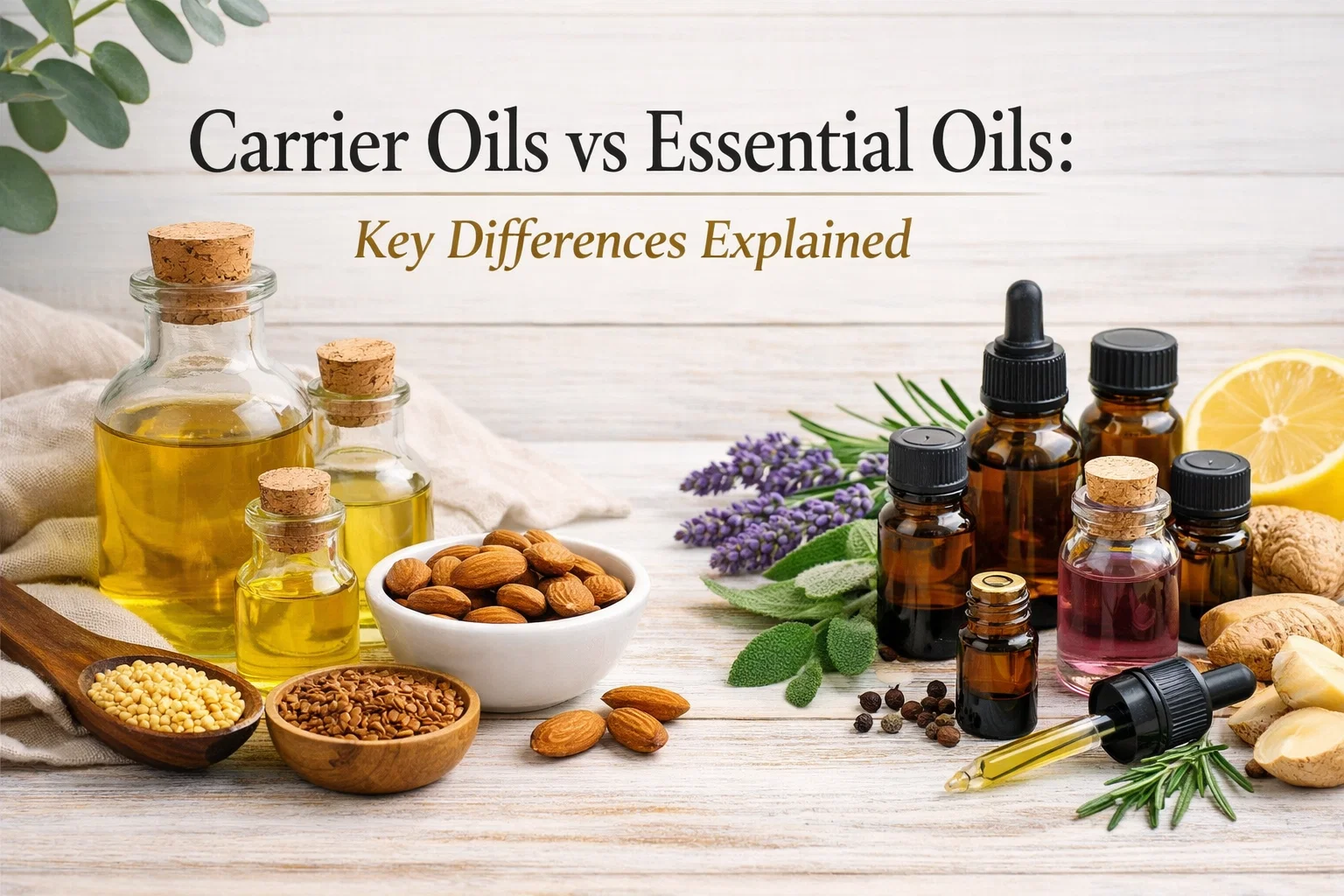
Natural plant-based oils have become an important part of modern wellness routines. Many individuals interested in aromatherapy or natural skincare often encounter two main categories of botanical oils: carrier oils and Essential Oils. While both originate from plants and are widely used in holistic practices, they serve very different purposes. Understanding these differences is important for anyone looking to use plant oils safely and effectively in daily routines.
Aromatherapy has grown in popularity because it provides a gentle way to introduce plant-based products into personal care and relaxation practices. Within this field, Essential Oils are known for their concentrated aromatic compounds, while carrier oils provide a nourishing base that helps dilute and transport those aromatic components. The relationship between these two types of oils is central to safe and effective aromatherapy.
Many beginners assume that all plant oils are similar, but this is not the case. The properties, extraction methods, and uses of carrier oils and Essential Oils differ significantly. Learning about these differences allows individuals to use them properly, especially when applying blends to the skin or incorporating them into self-care routines.
Carrier oils are natural oils extracted primarily from seeds, nuts, or kernels of plants. These oils are usually obtained through cold pressing or mechanical extraction methods. Unlike aromatic extracts, carrier oils do not contain strong fragrances. Instead, they have mild or neutral scents and are primarily valued for their moisturizing and nourishing properties.
Because of their gentle nature, carrier oils are often used as a base for topical applications. They help dilute concentrated aromatic extracts so they can be applied safely to the skin. When used alongside Essential Oils, carrier oils play an important role in reducing potency while allowing beneficial compounds to spread evenly across the skin.
Carrier oils are also commonly used in skincare and massage therapy. Their smooth texture helps facilitate massage movements and promotes hydration of the skin. In aromatherapy, they function as a medium that carries aromatic plant compounds, which is why they are known as “carrier” oils.
Unlike carrier oils, Essential Oils are highly concentrated plant extracts obtained from aromatic parts of plants such as flowers, leaves, bark, roots, or peels. These extracts are usually produced through steam distillation or cold pressing. Because they contain volatile aromatic compounds, they have strong and distinctive fragrances.
The potency of Essential Oils makes them valuable in aromatherapy practices. Only a few drops are typically required to create a noticeable aroma. Due to their concentration, they are rarely applied directly to the skin without dilution. Instead, they are blended with carrier oils to create balanced mixtures suitable for topical use.
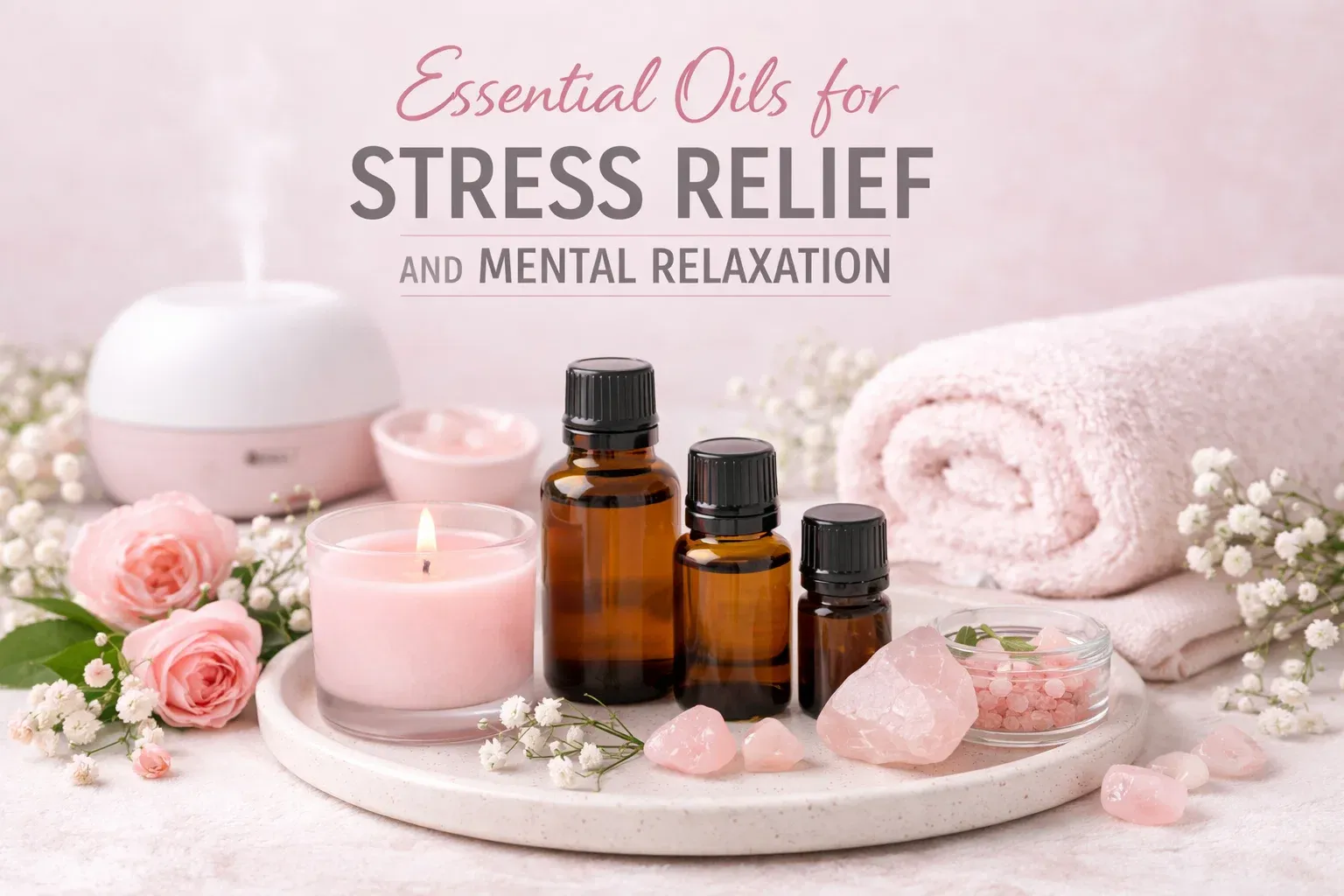
Another unique characteristic of Essential Oils is their ability to disperse aroma quickly into the air. When used in diffusers, their volatile molecules spread throughout the environment, creating an aromatic atmosphere that many people associate with relaxation and wellness.
One of the main differences between carrier oils and Essential Oils lies in the methods used to extract them from plants. Carrier oils are generally produced through cold pressing, which involves mechanically pressing plant seeds or nuts to release their natural oil content. This method preserves nutrients such as fatty acids and vitamins.
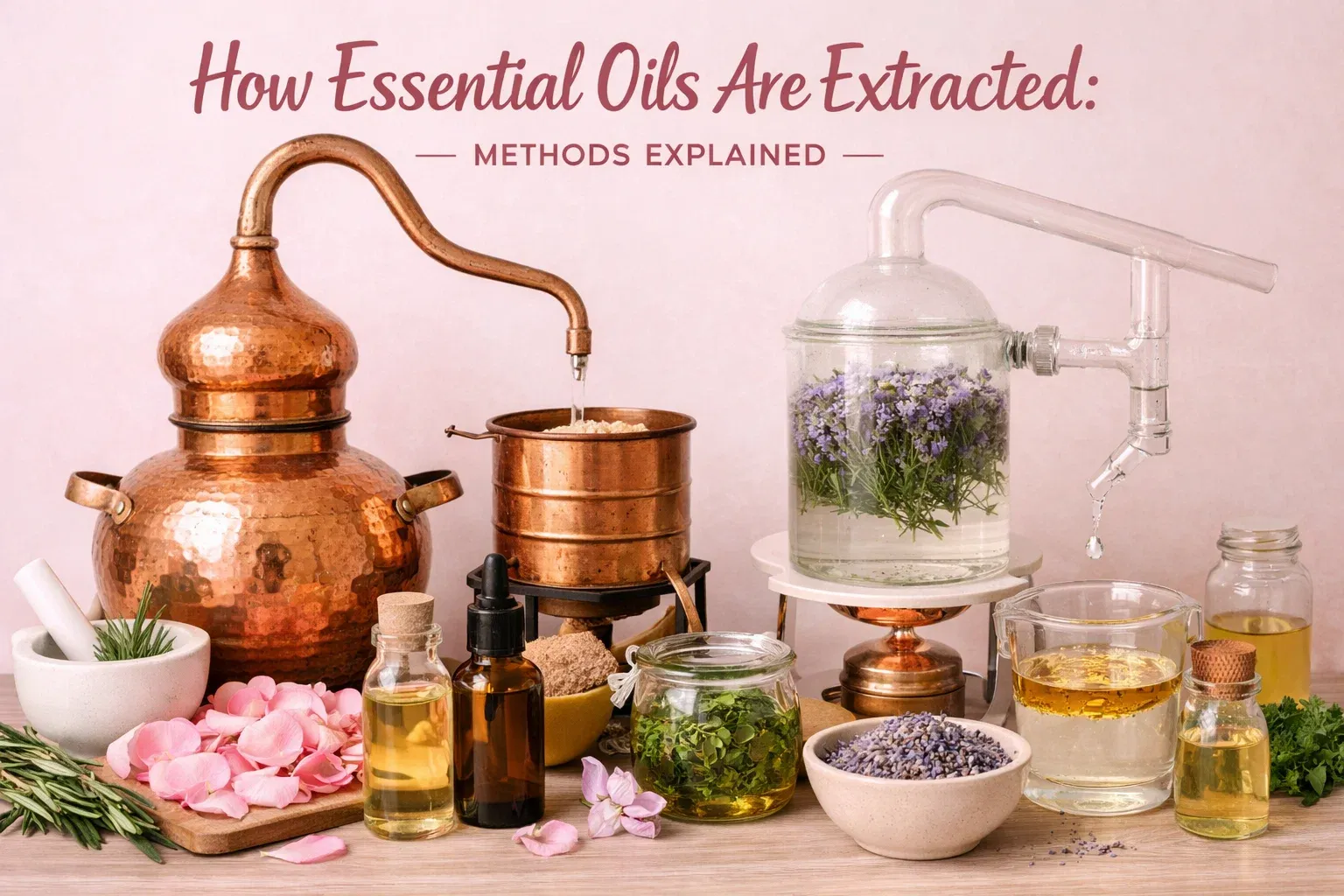
In contrast, Essential Oils are often obtained through steam distillation. During this process, steam passes through plant material and captures aromatic compounds. The vapor is then condensed to separate water from the aromatic oil. This technique allows manufacturers to capture the volatile essence of plants in a highly concentrated form.
Cold pressing is also used for certain citrus extracts, but even in these cases the result remains much more concentrated than typical carrier oils. Because of these extraction differences, Essential Oils have stronger aromas and require careful handling.
Carrier oils and Essential Oils also differ significantly in their chemical structures. Carrier oils are primarily composed of fatty acids, which provide nourishment and hydration for the skin. These oils are stable and tend to remain on the skin’s surface longer.
On the other hand, Essential Oils contain volatile aromatic compounds such as terpenes, esters, and aldehydes. These compounds evaporate more quickly and are responsible for the distinctive scents associated with various plant extracts. Because these molecules are highly concentrated, they must be diluted before topical application.
The chemical composition of Essential Oils is also what makes them so fragrant and versatile in aromatherapy. Their volatility allows them to disperse aroma easily when diffused or applied in diluted blends.
Another noticeable difference between carrier oils and Essential Oils is the strength of their scent. Carrier oils usually have mild or neutral aromas that fade quickly. This makes them ideal for blending because they do not overpower the fragrance of aromatic extracts.
In contrast, Essential Oils are known for their strong and distinctive scents. A single drop can provide a noticeable aroma. This intensity is why aromatherapy practitioners use them carefully and in small quantities.
The sensory experience created by Essential Oils is one of the reasons they are widely used in relaxation routines, spa environments, and personal wellness practices. Their fragrances can transform the atmosphere of a room when diffused or blended in massage oils.
Because of their potency, Essential Oils should rarely be applied directly to the skin. Dilution with carrier oils is necessary to reduce concentration and ensure safe use. Carrier oils act as a protective buffer, allowing aromatic compounds to spread evenly across the skin.
Without proper dilution, Essential Oils may cause irritation or sensitivity for some individuals. Blending them with carrier oils helps create balanced mixtures suitable for massage, skincare, or relaxation rituals.
The process of dilution also allows users to customize their blends. By adjusting the ratio of carrier oil to aromatic extract, individuals can create personalized mixtures that suit their preferences and comfort levels.
Both carrier oils and Essential Oils play complementary roles in aromatherapy. Carrier oils are commonly used in massage therapy because they provide a smooth texture and help the hands glide easily across the skin. They also nourish and hydrate the skin during application.
Meanwhile, Essential Oils are primarily valued for their aromatic qualities. They can be diffused into the air, added to bath blends, or mixed into massage oils. The combination of carrier oils and Essential Oils creates a balanced approach that supports relaxation and comfort.
Together, these plant-based oils form the foundation of many holistic wellness practices. Their complementary properties allow individuals to explore aromatherapy safely while enjoying the benefits of plant-derived ingredients.
Quality is an important factor when selecting plant-based oils for personal use. Consumers should look for products that provide clear information about sourcing, extraction methods, and purity standards. Reliable suppliers maintain strict quality control to ensure their products remain authentic and safe.
When purchasing Essential Oils, it is particularly important to choose reputable brands that prioritize purity. Trusted sources often provide detailed information about the plant origin and distillation process used in production.
For those seeking reliable botanical products, visiting https://essentialoilsofindia.com/ can provide access to a wide selection offered by essential oils of india. Choosing quality oils ensures a better aromatherapy experience and helps maintain safety when creating blends.
Carrier oils and Essential Oils are not substitutes for each other but rather partners in aromatherapy. Each type of oil serves a unique purpose. Carrier oils provide nourishment and dilution, while aromatic extracts deliver fragrance and concentrated plant essence.
By understanding these differences, individuals can use both types of oils effectively in self-care routines. When combined thoughtfully, carrier oils and Essential Oils create balanced blends that support relaxation, skincare, and aromatherapy practices.
Learning about these plant-based products empowers users to explore natural wellness safely and confidently. With proper knowledge and responsible use, these oils can become valuable components of everyday self-care.
Understanding how plant-based oils work together in daily wellness routines can help individuals make informed choices. Carrier oils and Essential Oils are often used together in skincare, massage, and relaxation practices. While carrier oils provide nourishment and a smooth texture, Essential Oils add aromatic depth and plant-derived compounds that contribute to a holistic experience.
Many people begin their aromatherapy journey by exploring simple blends. A carrier oil such as almond, jojoba, or coconut is usually chosen as the base. Once the base is prepared, a few drops of Essential Oils are added to create a balanced mixture. This process allows individuals to enjoy the aroma of botanical extracts while maintaining skin comfort and safety.
When used thoughtfully, these oils can become part of a consistent self-care routine. From evening relaxation massages to aromatic diffusers used during meditation, carrier oils and Essential Oils support a calm and soothing environment that aligns with natural wellness practices.
Skincare is one of the most common areas where carrier oils and Essential Oils work together. Carrier oils provide hydration and nourishment for the skin because they contain beneficial fatty acids and vitamins. Their gentle nature makes them suitable for massage oils, facial blends, and body moisturizers.
When diluted correctly, Essential Oils can be incorporated into skincare routines to enhance aromatic appeal and overall experience. Their natural fragrances make them popular ingredients in handmade skincare products such as body oils, facial serums, and natural perfumes.
However, balance is always important. Because Essential Oils are highly concentrated, only small amounts should be blended into carrier oils. This careful approach ensures that the final mixture remains comfortable for topical use while still providing a pleasant aromatic experience.
Aromatherapy has become widely recognized for its role in relaxation and emotional balance. Many individuals turn to diffusers or aromatic blends to create a peaceful environment in their homes. In these practices, Essential Oils are used to release fragrant molecules that fill the air with natural plant aromas.
Carrier oils may not be used directly in diffusers, but they play an important role when applying aromatic blends to the body. By diluting Essential Oils, carrier oils help create massage blends that allow individuals to enjoy soothing aromas while experiencing the calming effect of massage.
This combination of fragrance and touch often contributes to a sense of relaxation and balance. The gentle synergy between carrier oils and Essential Oils supports the principles of aromatherapy and holistic self-care.
Another important difference between carrier oils and Essential Oils involves storage and shelf life. Carrier oils typically contain fatty acids that can oxidize over time if exposed to heat or light. For this reason, they are best stored in cool, dark places to maintain freshness.
Essential Oils, on the other hand, contain volatile compounds that are sensitive to air and sunlight. Proper storage in dark glass bottles helps preserve their aromatic qualities. When stored correctly, many Essential Oils can remain stable for extended periods.
Understanding storage practices ensures that both carrier oils and Essential Oils maintain their quality. This attention to proper handling protects their natural characteristics and ensures a better aromatherapy experience.
Safety should always be a priority when working with plant extracts. Carrier oils are generally gentle, but aromatic extracts require careful handling. Dilution remains one of the most important safety steps when working with Essential Oils.
Beginners are often advised to perform patch tests before applying new blends to the skin. This simple step helps ensure that the mixture is comfortable and suitable for personal use. Proper dilution ratios also help maintain safe concentrations of Essential Oils in topical applications.
Education plays an important role in safe aromatherapy practices. By understanding how to combine carrier oils and Essential Oils responsibly, users can explore natural wellness while minimizing the risk of irritation or misuse.
There are many types of carrier oils used in aromatherapy. Each has unique properties that make it suitable for different applications. For example, sweet almond oil is widely used in massage blends due to its smooth texture and light feel on the skin.
Jojoba oil is another popular choice because its structure closely resembles natural skin oils. It blends well with Essential Oils, making it a favorite option for facial serums and skincare formulations.
Coconut oil is often selected for body care blends because of its moisturizing qualities. When combined with Essential Oils, it creates aromatic mixtures that are commonly used for massage and relaxation.
Selecting the right oils depends on personal preference, intended use, and skin type. Carrier oils provide the foundation for most blends, while aromatic extracts add fragrance and character. Choosing high-quality oils ensures that blends remain effective and pleasant to use.
When purchasing aromatic extracts, many individuals prefer sourcing from reputable suppliers that focus on purity and quality. Reliable providers maintain careful production methods and transparent labeling to ensure authenticity.
Those interested in exploring plant-derived aromatic products can visit https://essentialoilsofindia.com/ to learn more about selections offered by essential oils of india. Access to trusted sources makes it easier for users to create safe and enjoyable aromatherapy blends.
The growing popularity of plant-based wellness practices has increased interest in carrier oils and aromatic extracts. People seeking natural alternatives often incorporate these oils into daily self-care routines such as massage, meditation, and skincare.
Carrier oils serve as a gentle base that supports hydration and dilution, while Essential Oils bring concentrated fragrance and plant essence. This complementary relationship forms the core of many modern aromatherapy practices.
When individuals understand how these oils differ and work together, they gain confidence in creating balanced blends. This knowledge allows them to enjoy the benefits of natural products while maintaining responsible usage.
Understanding the differences between carrier oils and Essential Oils is essential for anyone exploring aromatherapy or natural skincare. While both originate from plants, their extraction methods, chemical compositions, and uses vary significantly.
Carrier oils provide nourishment, dilution, and smooth application for massage or skincare blends. Meanwhile, Essential Oils offer concentrated aromas and botanical essence that enhance the sensory experience of natural wellness routines.
When combined correctly, these oils create balanced blends suitable for relaxation, skincare, and aromatherapy. By choosing quality products and learning safe usage practices, individuals can incorporate these plant-based ingredients into their lifestyles with confidence.
Exploring reliable sources such as https://essentialoilsofindia.com/ helps users discover authentic botanical products offered by essential oils of india, supporting a more informed and enjoyable journey into the world of natural wellness.











I recently purchased the Rosehip Oil and I am thoroughly impressed with the quality! The oil is 100% pure, cold-pressed, and has a light, non-greasy texture that absorbs beautifully into the skin.
As a bulk buyer, I’ve been sourcing Rosemary Oil from www.essentialoilsofindia.com for several months now. The quality is consistently excellent—pure, potent, and exactly as per our specifications. Packaging is secure, deliveries are on time, and their customer support is responsive and professional. A trustworthy partner for essential oils.
We’ve been purchasing essential oils regularly from www.essentialoilsofindia.com and are extremely satisfied with their quality, consistency, and service. The oils are always pure and well-packaged, and shipments arrive on time. A dependable supplier for our business needs.