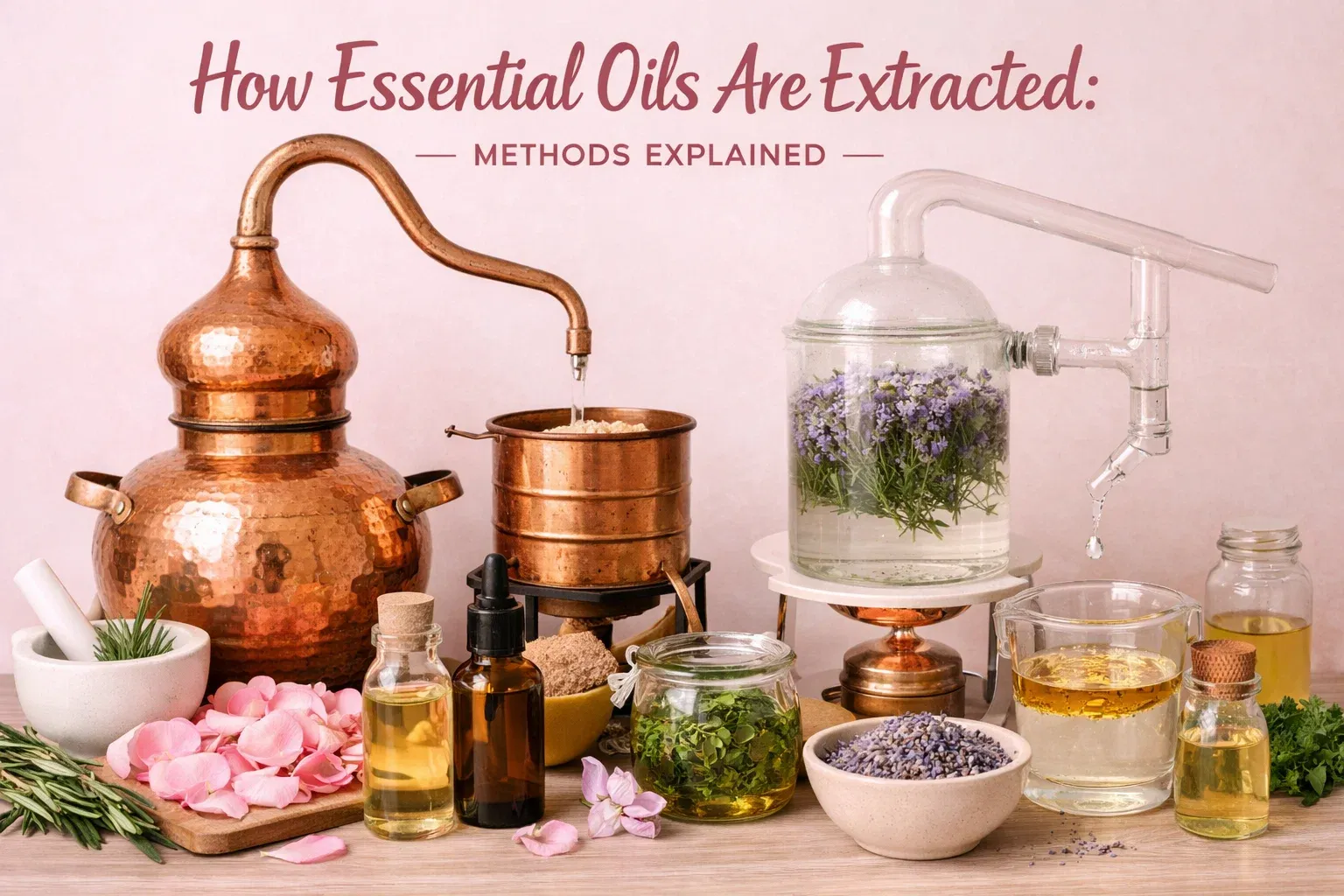
Essential Oils are the concentrated essence of plants, capturing their natural aroma, flavor, and beneficial compounds. These oils have been valued for centuries for their therapeutic properties, use in aromatherapy, wellness, skincare, and even culinary applications. Understanding how essential oils are extracted is crucial because the method affects their potency, fragrance, and overall effectiveness. Each plant has its unique properties, and careful extraction preserves these qualities for optimal benefits.
At Essential Oils of India, we follow precise and authentic extraction processes to ensure our essential oils maintain purity and effectiveness. You can explore our full range of high-quality oils at. Extraction is not just a technical process; it’s an art that balances tradition, science, and respect for nature. High-quality essential oils require attention from plant selection to storage.
The journey of premium essential oils starts with the careful selection of plant material. Different plant species, growth stages, and harvest seasons affect the concentration of aromatic compounds. For example, flowers like lavender or roses have a higher oil content when picked early in the morning, while seeds like coriander or carrot require full maturation. Choosing the right plant ensures that the oil produced has the desired aroma, quality, and therapeutic properties.
Additionally, the specific part of the plant—leaves, flowers, seeds, bark, or roots—impacts the extraction process. Leaves and stems may contain volatile oils that are heat-sensitive, while seeds and peels might require mechanical pressing. At Essential Oils of India, we prioritize quality and carefully handle plants to ensure that every drop of is potent, fragrant, and effective for wellness routines.
Harvesting is a critical step in obtaining high-quality. Plants must be collected at optimal times to preserve their natural compounds. Flowers are usually harvested in the early hours, leaves in mid-morning, and roots during dormant seasons. Gentle handling is necessary to avoid bruising, which can degrade the delicate compounds that give essential oils their fragrance and benefits.
After harvesting, the plant material is cleaned, sorted, and sometimes lightly dried to remove excess moisture. This preparation ensures that the subsequent extraction methods work efficiently, producing oils that are pure and highly concentrated. Proper preparation is essential to maintain the integrity of whether for aromatherapy, skincare, or daily wellness routines.
Steam distillation is the most widely used method for extracting . In this process, steam passes through the plant material, causing the oils to evaporate along with the steam. The vapor is then condensed back into liquid, and the essential oil separates naturally from the water. This method preserves most heat-sensitive compounds and produces consistent quality oils like eucalyptus, peppermint, and lavender.
Steam distillation is favored for its reliability and ability to extract oils from a variety of plant parts, including flowers, leaves, and stems. By carefully controlling temperature and pressure, producers like Essential Oils of India ensure the resulting essential oils retain their aroma, purity, and wellness properties, making them suitable for daily use and professional applications.
Cold pressing is primarily used for citrus peels and certain seeds. The method involves mechanically pressing the plant material to release oil without heat, preserving its natural fragrance and chemical composition. Oils obtained this way are bright, fresh, and ideal for wellness and culinary purposes. Citrus oils like lemon, orange, and bergamot often use this method.
This technique is valued for producing that retain the original plant’s vibrancy. Because it avoids heat, cold-pressed oils maintain delicate compounds that can be lost in other extraction methods. At Essential Oils of India, our cold-pressed oils are carefully handled to ensure that every drop offers the natural benefits of the source plant.
Some flowers, such as jasmine and rose, are too delicate for heat-based methods. Solvent extraction uses food-grade solvents to dissolve aromatic compounds, followed by filtration and concentration. This yields a rich, fragrant absolute that can be used in wellness, aromatherapy, and perfumery.
CO2 extraction is a modern alternative that uses supercritical carbon dioxide to extract compounds under high pressure. It produces that are extremely pure, retaining almost all natural constituents. Both methods are important for sensitive plants and help maintain the therapeutic value, making them ideal for holistic wellness practices promoted by Essential Oils of India.
Maceration and enfleurage are ancient extraction techniques still used for some delicate flowers. In maceration, plant material is soaked in carrier oils to absorb fragrance over time, while enfleurage uses fat-coated surfaces to draw out aroma gradually. These methods produce subtle, complex scents not achievable by modern techniques.
Though less common today, these traditional methods remind us of the art and patience involved in creating high-quality essential oils. They are often used in luxury perfumery and specialized wellness routines where aroma and authenticity are paramount, reflecting the care and dedication practiced by companies like Essential Oils of India.
After extraction, proper storage is essential for maintaining the quality of Oils are typically stored in dark glass bottles, away from heat, sunlight, and air exposure, to prevent oxidation. Purity is vital—high-quality oils contain no additives or synthetic fragrances, ensuring maximum benefits for aromatherapy, skincare, and wellness routines.
Essential oils are versatile and can enhance wellness in multiple ways. They can be diffused for mental clarity, applied topically in diluted form for skin care, or used in self-care rituals at home. By choosing authentic oils from Essential Oils of India, users ensure that every application delivers natural benefits, fragrance, and quality.
Industrial production of follows the same principles as small-scale extraction but on a much larger and controlled scale. Plants are harvested, cleaned, and processed systematically to ensure consistent quality and yield. Steam distillation remains the most common industrial method, but CO2 extraction and solvent extraction are also widely used for sensitive or high-value plants.
Automation and precise monitoring of temperature, pressure, and duration help maintain the purity of essential oils. At Essential Oils of India, we combine traditional methods with industrial efficiency, ensuring that every batch preserves the natural aroma and therapeutic qualities that wellness enthusiasts seek. Industrial production also allows for quality testing and standardization, which is essential for aromatherapy, skincare, and other applications.
Extraction of can vary depending on the method, but the principles remain consistent. In steam distillation, for example, plant material is placed in a chamber where steam passes through, vaporizing volatile compounds. The vapor is then condensed into a liquid, and oil is separated from water. In cold pressing, citrus peels are mechanically pressed to release oil without heat, maintaining fragrance and chemical integrity.
Solvent and CO2 extraction involve dissolving compounds from plant material and carefully isolating the oil. Even traditional maceration and enfleurage follow specific steps to ensure maximal aroma capture. Each of these processes requires expertise to produce that are pure, potent, and suitable for wellness, aromatherapy, and holistic living.
Ensuring quality is critical in production. Modern laboratories use techniques like gas chromatography to verify chemical composition, purity, and concentration. This ensures that the oils are free from contaminants, adulteration, or synthetic additives. High-quality oils have consistent fragrance, color, and therapeutic properties.
At Essential Oils of India, every batch undergoes stringent quality checks before reaching customers. Our focus on quality guarantees that the you use in your daily wellness routines deliver safe, authentic, and effective benefits. Proper certification and testing reinforce trust and help users select oils confidently for aromatherapy, self-care, and holistic practices.
The extracted essential oils have a wide range of applications in health and wellness. They are commonly used in aromatherapy to support emotional balance, reduce stress, and enhance focus. Oils can also be applied topically in diluted forms for skincare, haircare, or massage routines, promoting natural well-being.
In homes, essential oils create calming or uplifting atmospheres, making everyday life more mindful and intentional. With high-quality essential oils from Essential Oils of India, you can integrate natural fragrances into daily rituals while maintaining purity, authenticity, and wellness benefits, enhancing both mental and physical health.
Selecting the right essential oils is essential for maximizing benefits. Some oils, like lavender and chamomile, are known for relaxation and sleep support. Others, such as peppermint and eucalyptus, are invigorating and aid focus or respiratory wellness. Understanding individual needs helps in building a small but effective collection of essential oils.
At Essential Oils of India, we provide guidance on selecting oils that align with personal wellness goals. By choosing high-quality essential oils, individuals can integrate them into self-care routines, meditation, aromatherapy, and holistic lifestyle practices, creating a consistent and meaningful wellness experience.
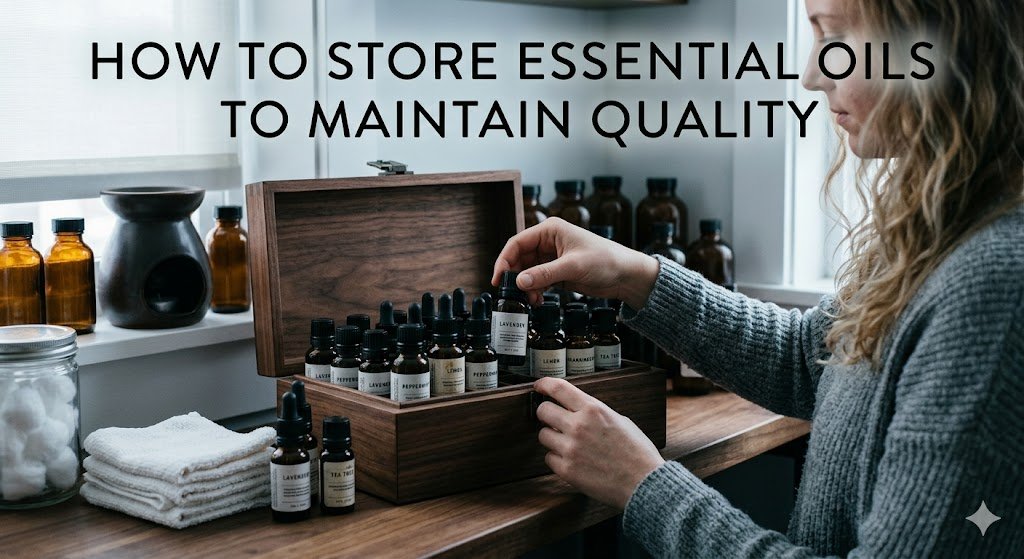
Proper storage is crucial to preserve the potency of essential oils. Oils should be kept in dark, airtight glass bottles away from sunlight and heat, which can cause oxidation and degradation. Avoiding frequent exposure to air ensures that the therapeutic compounds remain intact for longer periods.
Additionally, handling oils with care prevents contamination. Always use clean tools and avoid direct contact with skin unless diluted. High-quality essential oils, when stored correctly, maintain their fragrance, therapeutic properties, and overall quality for months or even years, making them a sustainable addition to wellness routines.
Incorporating essential oils into daily routines enhances wellness without complicating life. A few drops in a diffuser can create a calming atmosphere, while diluted oils can be applied during self-care rituals such as massages or bath soaks. Aromatic inhalation supports focus, relaxation, and emotional balance.
Minimalist approaches benefit greatly from essential oils because a small collection can serve multiple purposes. Using high-quality essential oils from Essential Oils of India ensures that every application delivers natural benefits. Regular use encourages mindfulness, supports mental clarity, and elevates personal wellness practices, making essential oils a natural companion for modern lifestyles.
Sustainability is becoming increasingly important in the production of essential oils. Ethical sourcing, responsible harvesting, and environmentally friendly extraction methods are essential for protecting ecosystems while delivering high-quality oils. Consumers are now seeking products that align with holistic wellness and sustainable living.
Looking forward, advances in extraction technology and awareness of natural wellness benefits will continue to shape the essential oils industry. Companies like Essential Oils of India are committed to maintaining authenticity, promoting sustainable practices, and providing consumers with pure, effective oils that support long-term wellness, aromatherapy, and self-care routines.










I recently purchased the Rosehip Oil and I am thoroughly impressed with the quality! The oil is 100% pure, cold-pressed, and has a light, non-greasy texture that absorbs beautifully into the skin.
As a bulk buyer, I’ve been sourcing Rosemary Oil from www.essentialoilsofindia.com for several months now. The quality is consistently excellent—pure, potent, and exactly as per our specifications. Packaging is secure, deliveries are on time, and their customer support is responsive and professional. A trustworthy partner for essential oils.
We’ve been purchasing essential oils regularly from www.essentialoilsofindia.com and are extremely satisfied with their quality, consistency, and service. The oils are always pure and well-packaged, and shipments arrive on time. A dependable supplier for our business needs.